3 Common Millwork Mistakes You Might Be Making
1. Selecting a material that is inappropriate for the desired final color. There is an assumption that all woods can be made to look like any color sample provided and that is not always true. Ash, White Oak, Maple and Birch all accept color very differently. The density of the wood and the grain pattern plays a big role in how a wood accepts a color. Understanding your material and the finish (i.e. stain versus paint versus wax)is the only way to achieve the desired end color.
2. Not designing enough support. Gravity is real and it’s critical to know just how far you can go without support for wood surfaces (or metal or stone or glass, etc). For instance, long tables and shelves reach a point where a middle support, or several, are required to prevent the top from sagging. Not only is sagging unattractive, but it can also be dangerous as the material may break. Hidden supports are often possible but need to be planned during design.
3. Not planning reveals between materials. Reveals, which are small planned gaps, are your best friend! Millwork typically goes in after walls, floors and ceilings and those surfaces are never perfect. Where millwork meets any other surface, use reveals! Reveals are also used within millwork itself for clean, crisp transitions.
As consumers and designers, you have to know a little about a whole lot. And let’s face it, you can’t possibly be experts at everything. That's where we can help! We’re here to be your guide and ensure the execution meets your design intent.
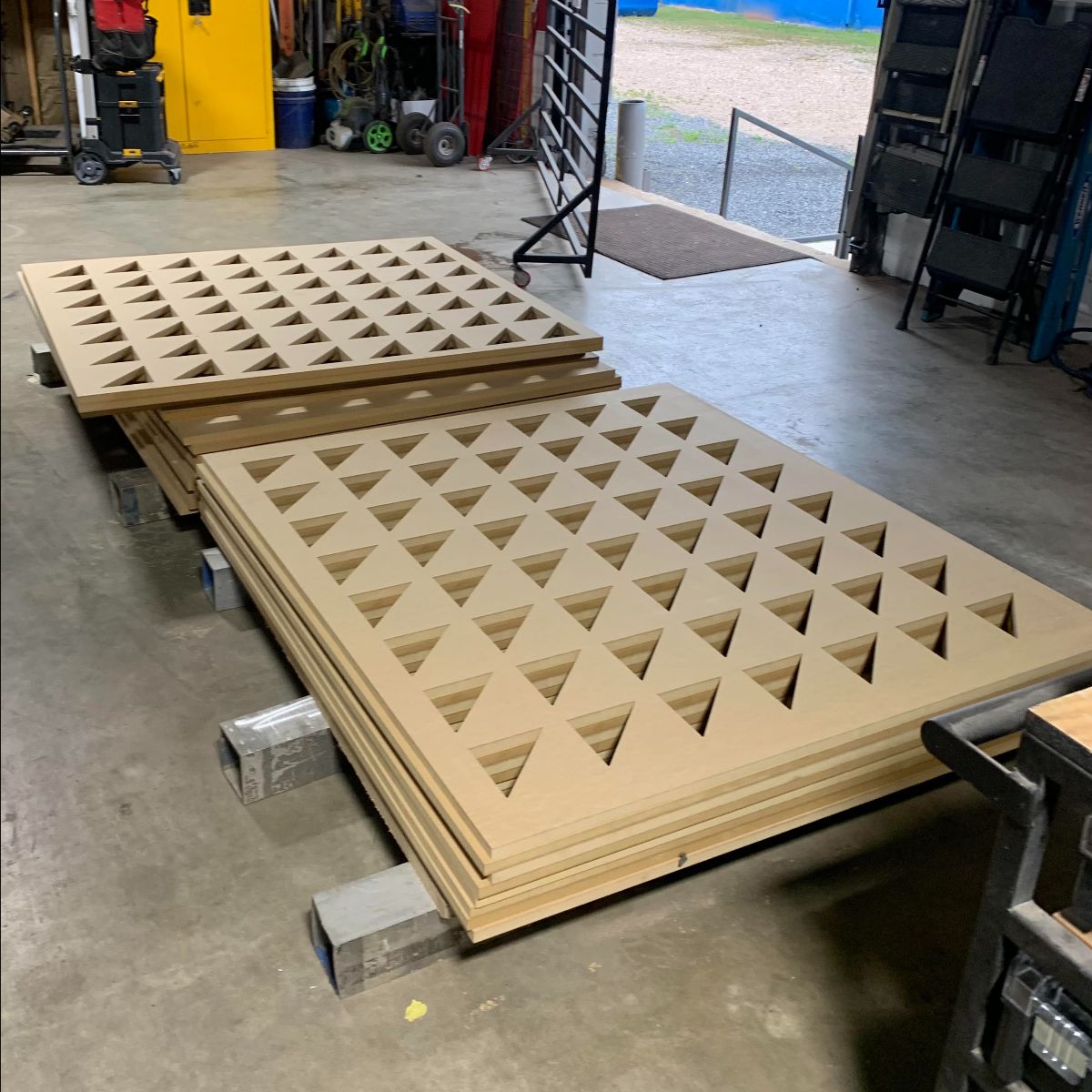
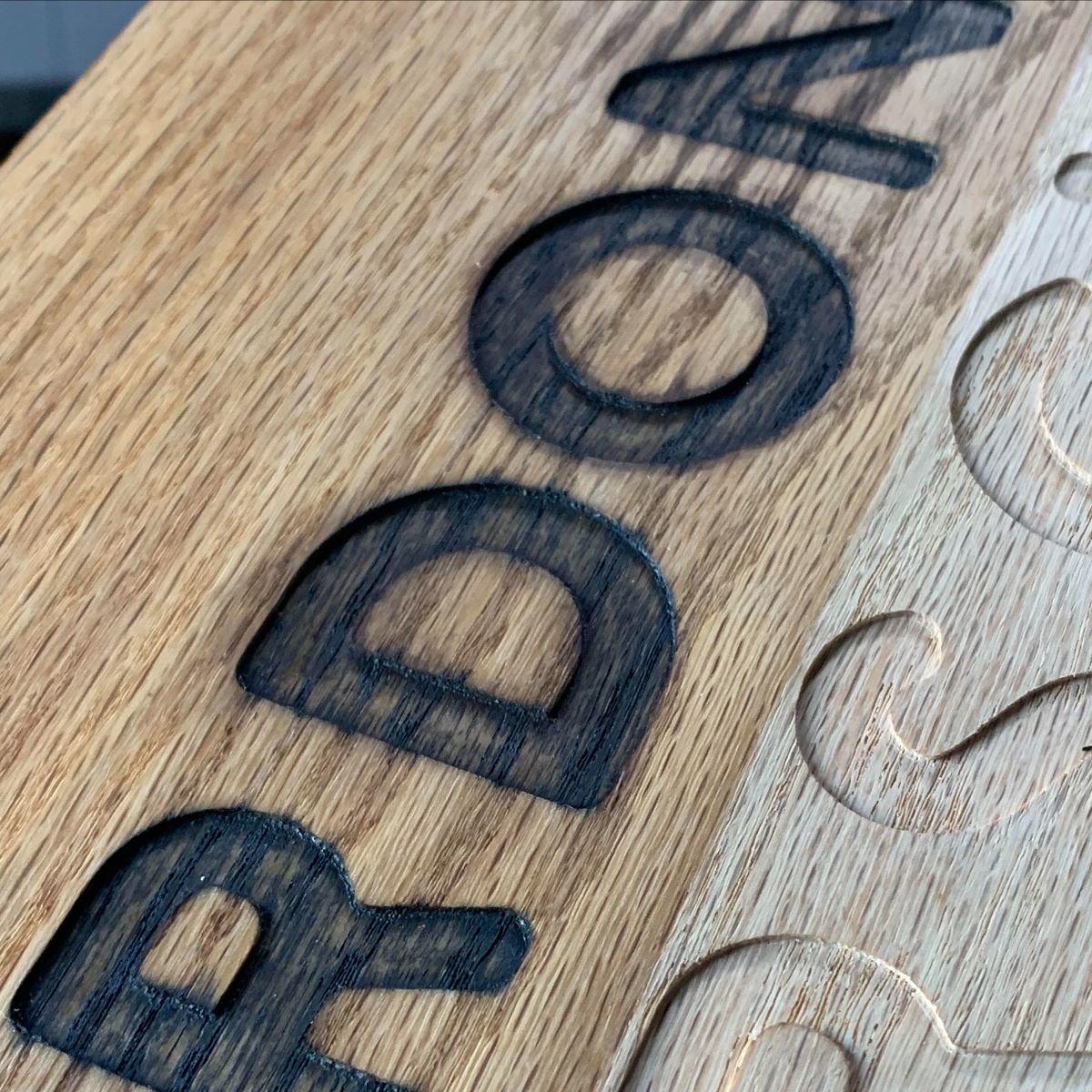
From big to small
Have a project? Let's talk!.

Check out our YouTube channel for BTS and insider information on many of our project!
Have a question? Ask us here.